What Is a Static Site? (Static vs Dynamic)
The difference between a page printed ahead of time and one made fresh on every visit — and why static usually wins.
"Static site" sounds limiting, but it's secretly the smartest choice for most small projects — including the kind of money-making tools you'll build from our blueprints. Here's the difference, minus the jargon.
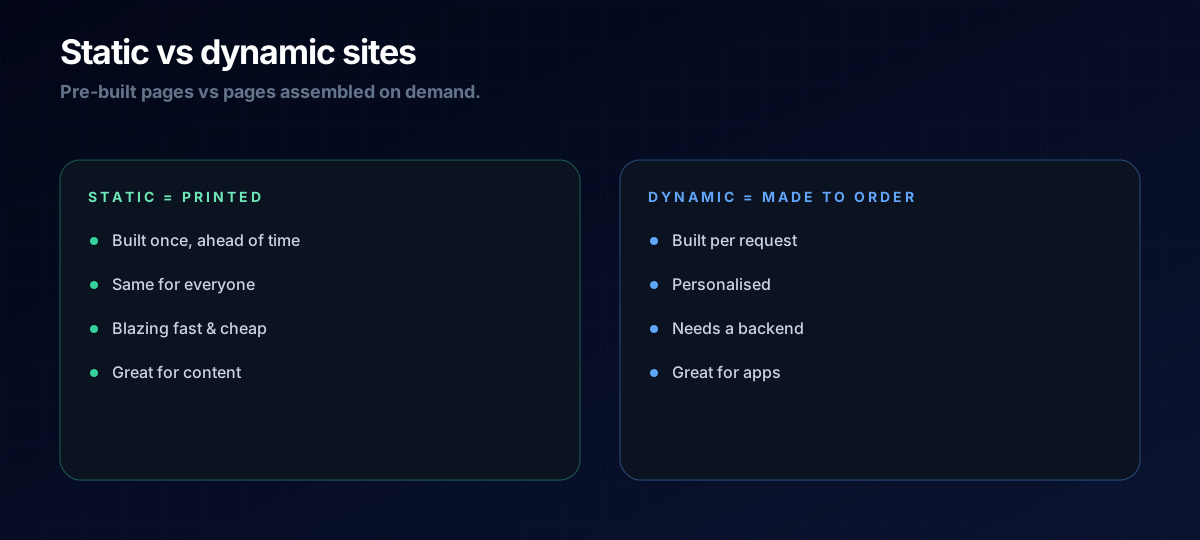
Static = Printed Ahead of Time
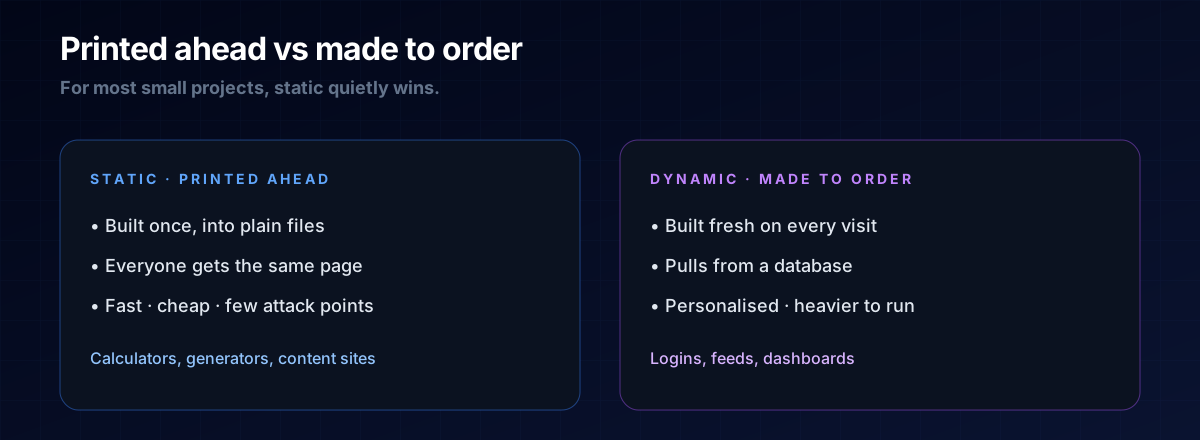
A static site is built once, in advance, into plain files. When someone visits, the server hands over the finished page — no assembly required. Everyone gets the same files, delivered instantly. It's like printing a magazine: done before anyone reads it.
Dynamic = Made to Order
A dynamic site builds each page on the fly, per request, usually pulling from a database on the backend. That's how you get personalised feeds and logged-in dashboards — powerful, but more moving parts to run and pay for.
THE ONE-LINE VERSION
Static = pages built before anyone visits (fast, cheap, simple). Dynamic = pages built per visit (personalised, but heavier).
Why Static Wins for Small Projects
- Speed — files are pre-made, so they load almost instantly.
- Cost — static hosting is often free, with no server to maintain.
- Security — no live database or backend means far less to attack.
A calculator, a generator, a content site, even this page — all happily static. You can still have rich interactivity in the browser; "static" only means the pages aren't assembled on the server per visit.
A: Yes. JavaScript runs in the visitor's browser, so calculators, filters, and animations all work fine on a static site — no backend needed.
A: When each visitor must see different server-generated data — logins, personalised dashboards, user accounts. Until then, static keeps life simple and cheap.
The Prompt Template
Steer the AI toward the simplest setup that works:
Build this as a STATIC site — plain files, no server or database.
Keep all interactivity in the browser.
Tell me if any feature would force me to go dynamic.
Next Steps
Ready to put a static site online? Read Hosting, Domain & DNS to see how the pieces connect.